Vera Vogel · 2 September 2026
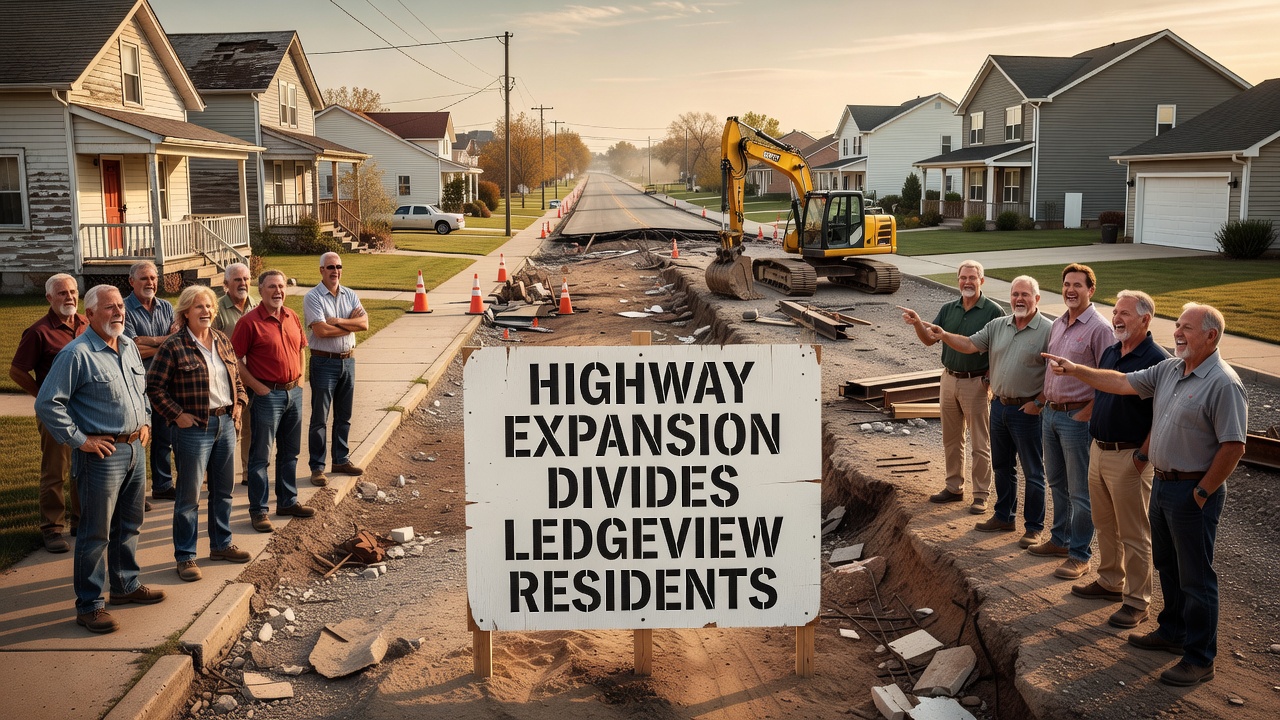
The proposed expansion of Highway 43 has created significant division among Ledgeview residents, with opinions split between those favoring improved infrastructure and those concerned about environmental and community impacts.
Project Details and Timeline
The Wisconsin Department of Transportation announced plans to widen the highway from two to four lanes over a five-mile stretch passing through Ledgeview. The project aims to reduce congestion and enhance safety, with construction potentially starting in 2025. Officials estimate the cost at $45 million, funded partly by state and federal grants. Proponents argue it will support local businesses by improving access and reducing commute times for workers heading to Green Bay. Environmental assessments are underway, but critics point to potential habitat disruption for local wildlife and increased stormwater runoff affecting nearby wetlands. The expansion would require acquiring several residential properties, displacing an estimated 12 families. Additional studies examine noise barriers and wildlife crossings to mitigate effects.
Community Responses and Concerns
Residents have voiced their opinions at recent town hall meetings. Supporter Mark Thompson, a local business owner, stated, "This expansion is necessary for our town's growth. Without it, traffic will only get worse, hurting our economy." In contrast, opponent Sarah Kline, who lives adjacent to the highway, expressed fears about noise pollution and loss of property value. "My family has lived here for generations. This project threatens our way of life," she said. Environmental groups like the Ledgeview Conservation Society have organized petitions, gathering over 1,200 signatures against the plan. They advocate for alternatives such as public transit improvements or traffic calming measures. Meanwhile, the Ledgeview Chamber of Commerce supports the project, citing potential job creation during construction. Public hearings are scheduled for next month, where residents can submit formal comments. The decision will ultimately rest with state regulators, who must balance economic benefits against community preservation. As debates continue, the issue highlights broader tensions in small communities facing development pressures.