Finley Jenkins · 2 September 2026
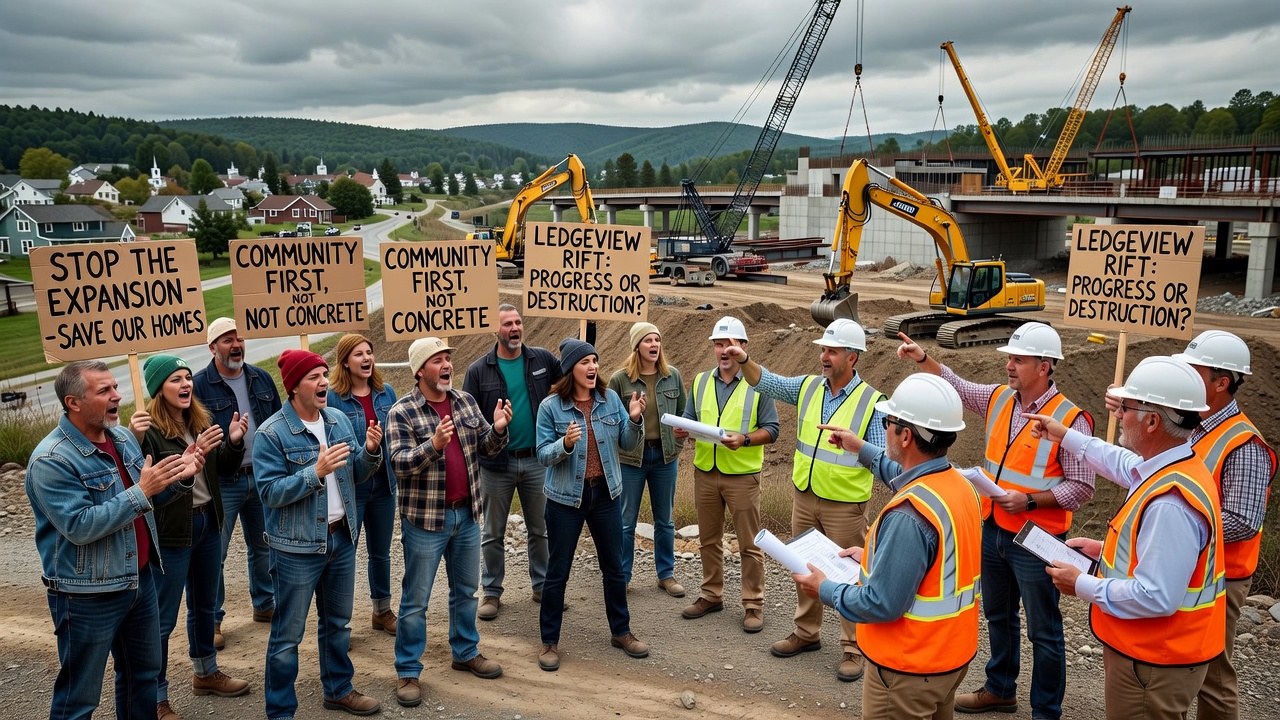
The Wisconsin Department of Transportation has unveiled plans to expand Highway 41 through Ledgeview, a move that has created a sharp divide among community members. The project proposes adding two lanes in each direction over a five-mile stretch, along with new interchanges and sound barriers. Proponents believe this will address growing traffic issues stemming from population growth in the area. Further details include plans for bike paths and pedestrian crossings to mitigate some concerns. The timeline could be affected by legal challenges from advocacy groups.
Residents in favor argue it will improve safety and reduce commute times. However, opponents fear it will disrupt neighborhoods and harm local wildlife. Surveys conducted by the local newspaper indicate that 48 percent of residents oppose the project while 35 percent support it, with the remainder undecided.
Opposition Focuses on Quality of Life Issues
Many residents express concerns about increased noise pollution and the potential loss of green spaces. Local environmental groups have organized petitions, gathering over 1,200 signatures against the expansion. They argue that the highway would fragment habitats for local deer and bird populations. Property owners near the route worry about decreased home values and the need for eminent domain proceedings. Community meetings have seen heated debates, with some calling for alternative solutions like improved public transit. Critics also point to the carbon emissions increase from more vehicles. They suggest investing in electric vehicle infrastructure instead.
Supporters Emphasize Safety and Economic Growth
On the other side, business owners and commuters support the plan, citing reduced accident rates on the current two-lane highway. Data from similar projects in nearby counties show a 30 percent drop in traffic incidents after expansions. The expansion is also expected to attract new commercial development, potentially creating hundreds of jobs. Town officials note that federal funding could cover 80 percent of the costs, minimizing local tax burdens. Public hearings are scheduled for next month to gather further input before a final decision. Engineers have assured that modern construction techniques will minimize environmental disruption during building. Local chamber of commerce has endorsed the project, highlighting potential tourism boosts from better access.